
2 results for "Technology"

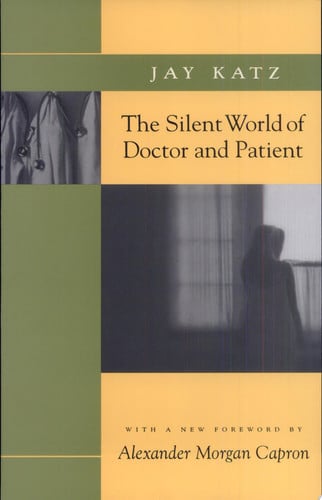
The silent world of doctor and patient

Katz, Jay
In this eye-opening look at the doctor-patient decision-making process, physician and law professor Jay Katz examines the time-honored belief in the virtue of silent care and patient compliance. Historically, the doctor-patient relationship has been based on a one-way trust—despite recent judicial attempts to give patients a greater voice through the doctrine of informed consent. Katz criticizes doctors for encouraging patients to relinquish their autonomy, and demonstrates the detrimental effect their silence has on good patient care. Seeing a growing need in this age of medical science and sophisticated technology for more honest and complete communication between physician and patients, he advocates a new, informed dialogue that respects the rights and needs of both sides. In a new foreword to this edition of The Silent World of Doctor and Patient , Alexander Morgan Capron outlines the changes in medical ethics practice that have occurred since the book was first published in 1984, paying particular attention to the hotly debated issues of physician-assisted suicide and informed consent in managed care.
Johns Hopkins University Press 2002-11 263 pages

Do we still need doctors?

Lantos, John D.
Do We Still Need Doctors? is a personal account from the front lines of the moral and political battles that are reshaping America's health care system. Using compelling firsthand experiences, clinical vignettes, and moral arguments, John D. Lantos, a pediatrician, asks whether, as we proceed with the redesign of our health care system, doctors will - or should - continue to fulfill the roles and responsibilities that they have in the past. Interspersing moving personal stories of his young patients suffering from AIDS, cancer, and other chronic or terminal illnesses with his own stirring dilemmas of truth telling, creative navigation of HMO bureaucracy, and reflections on the identity crisis of medical education, Dr. Lantos reveals how changes in our health care system and new technologies are fostering new ways of understanding and responding to illness. He taps into the public's sense of wanting doctors and hospitals to do something other than what they do now and the frustrating disagreement about what they should do in the future. Do We Still Need Doctors? neither demonizes nor idealizes managed care or for-profit medicine. Instead, Dr. Lantos argues that managed care continues a trend toward rationalizing disease and streamlining treatment that doctors themselves have initiated and sustained over the last fifty years. Illness and death will always resist rationalizing, and in order to respond to them, doctors and patients alike need to re-imagine what healing is or ought to be.
Routledge 1999 214 pages